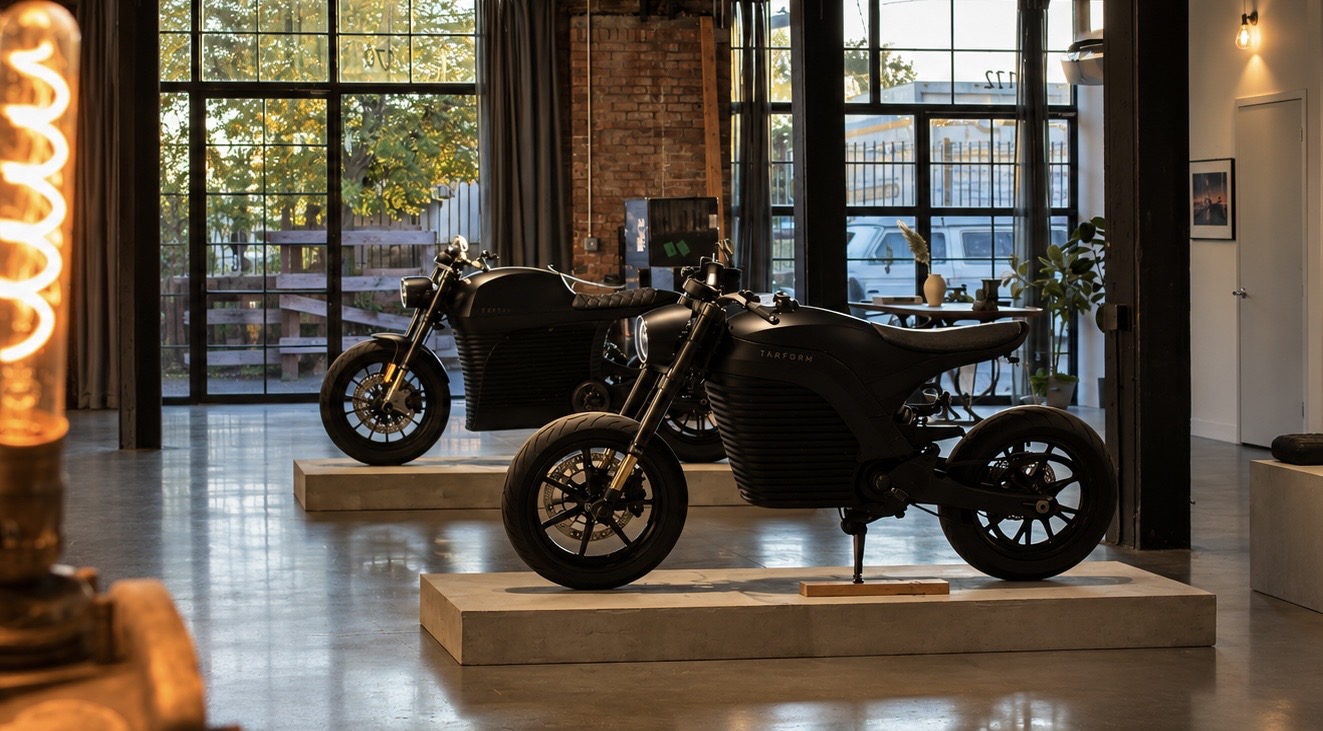
Our Practice
Beauty. Ecology. Technology.
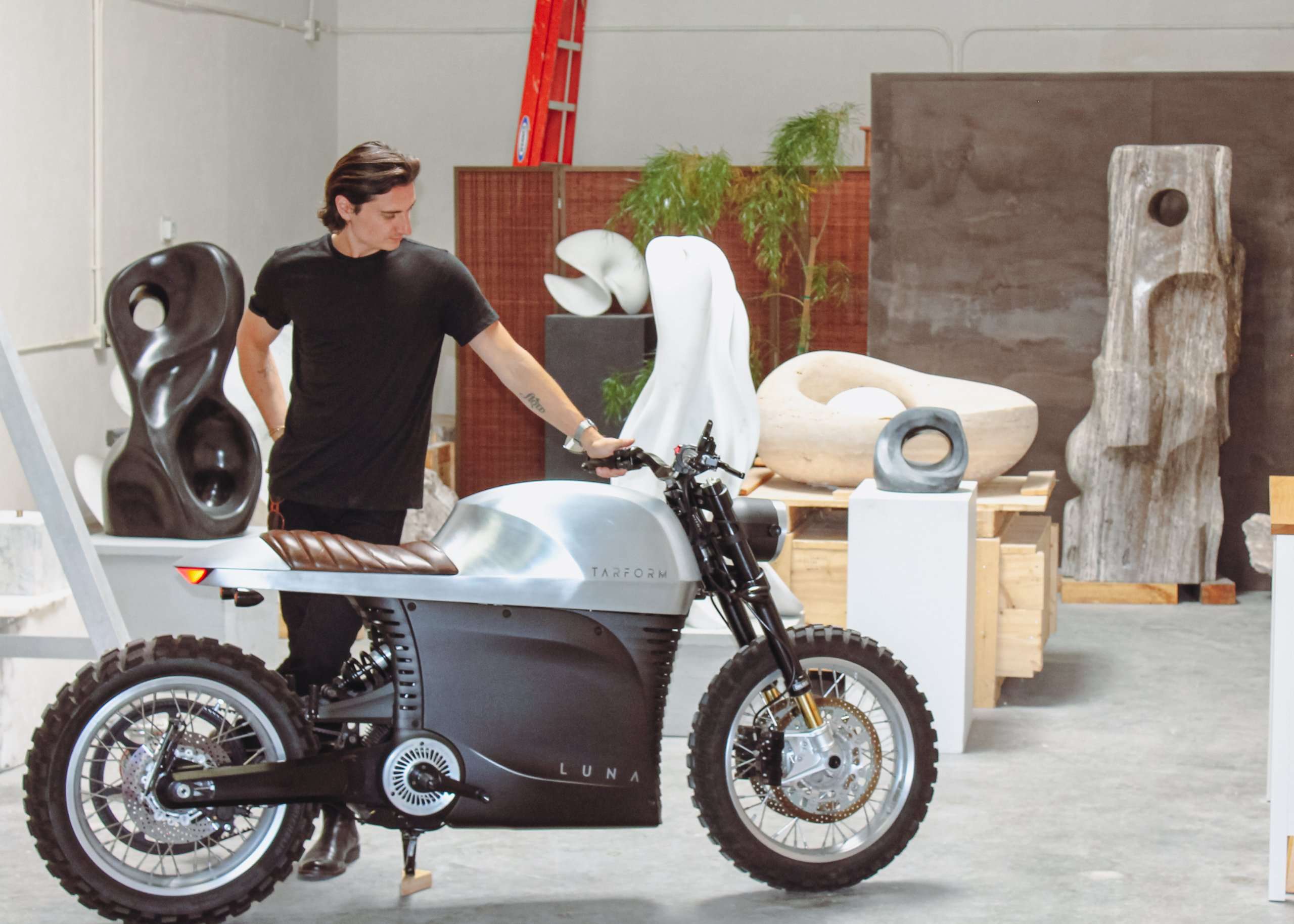
Taking shape.
Tarform takes its name from Swedish, meaning taking shape.
I grew up in Sweden, where simplicity, function, and an appreciation for nature were part of everyday life. From an early age, I was drawn to design, machines, and making things with my hands.
After moving to New York, I spent years designing and building digital products. At the same time, I spent my weekends in a makerspace in Brooklyn, restoring vintage motorcycles, working with metal, and learning how things were made.
I enjoyed both worlds. Digital technology offered almost endless possibilities, while working on motorcycles gave me something tangible. I could shape a piece of metal, understand how a mechanism worked, and experience the result directly.
Over time, I began wondering what it would look like to bring these two worlds together. To create something that embraced new technology while retaining the craftsmanship, character, and sense of connection I appreciated in older machines.
In 2018, I founded Tarform in Brooklyn to explore that idea.
The motorcycle was where I decided to begin.
— Taras Kravtchouk, Founder
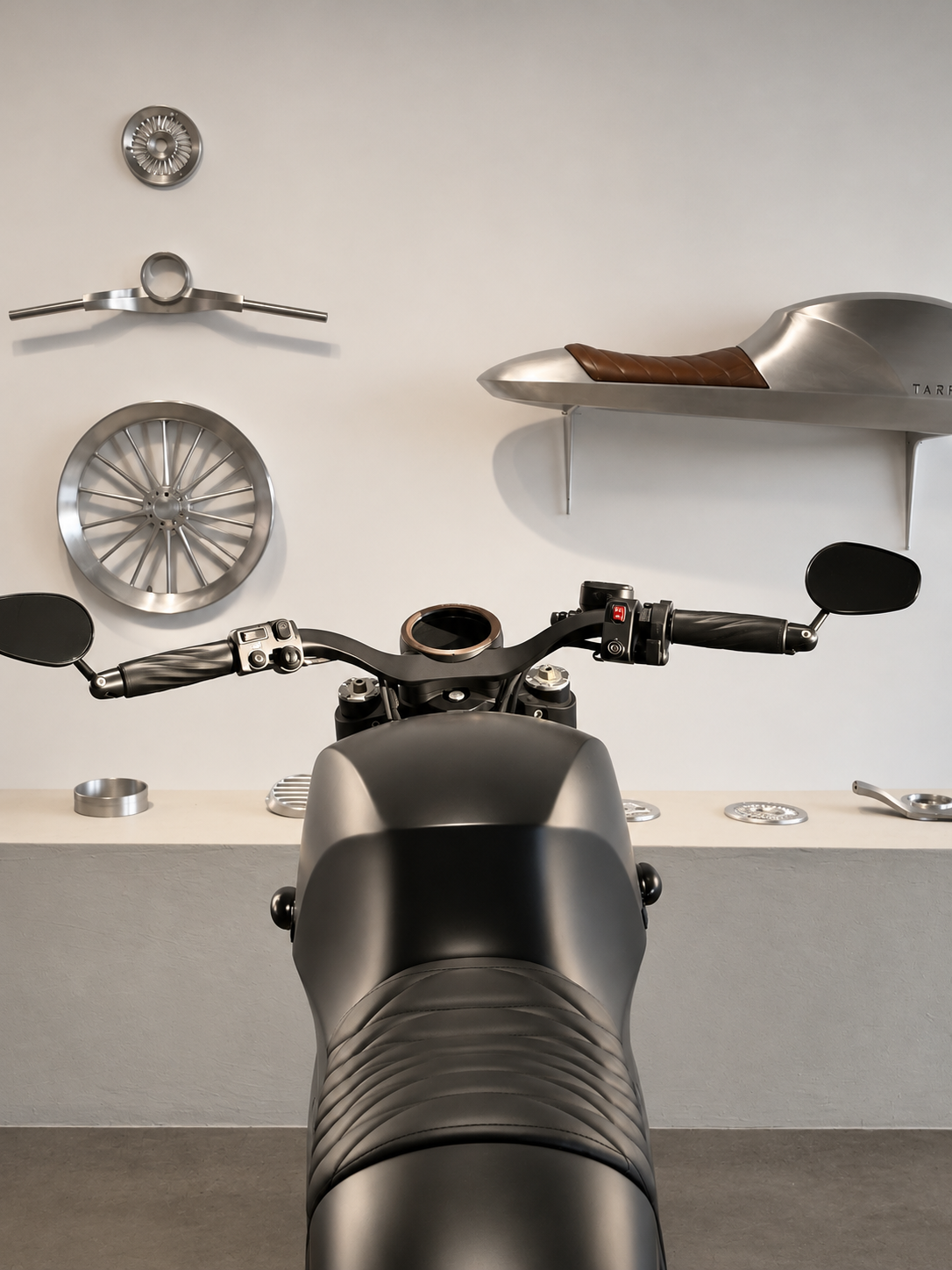
Why motorcycles.
Few machines create such a direct relationship between a person and the world.
The body moves with the motorcycle. Every input has a consequence. The road, the weather, and the changing landscape become part of the experience.
Riding asks for attention. And in return, it offers something increasingly rare: a moment when there is nowhere else you need to be.
This is what continues to fascinate us. Not simply the machine, but the experience it makes possible.
Tarform is our practice of bringing beauty, ecology, and technology into greater harmony. Motorcycles are where we began. They won’t be the last.
From an idea to the road.
-
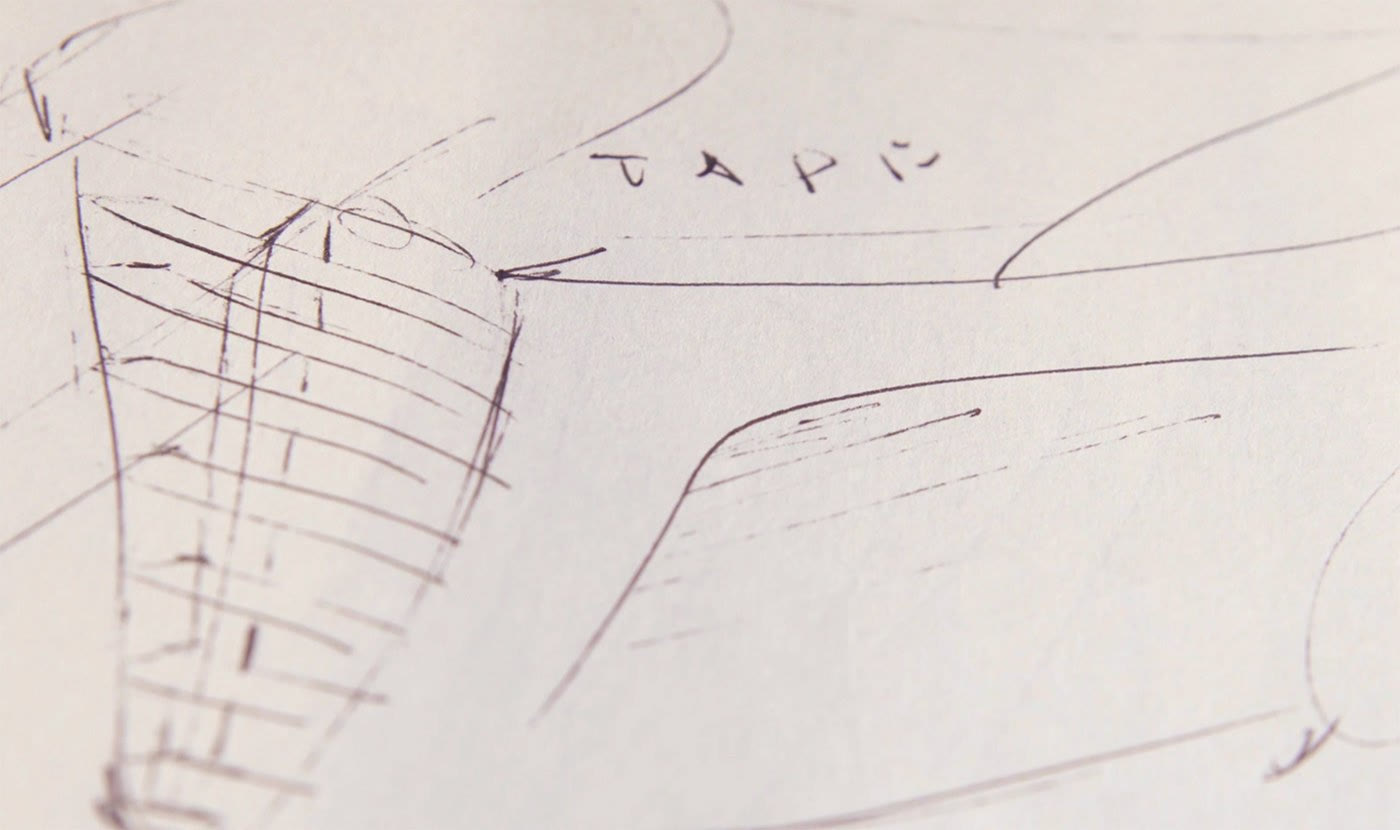 2016
The first lines
The first lines of what would become Luna are scribbled down. The beginning of a design language: simplicity, function, and an appreciation for form.
-
 2017
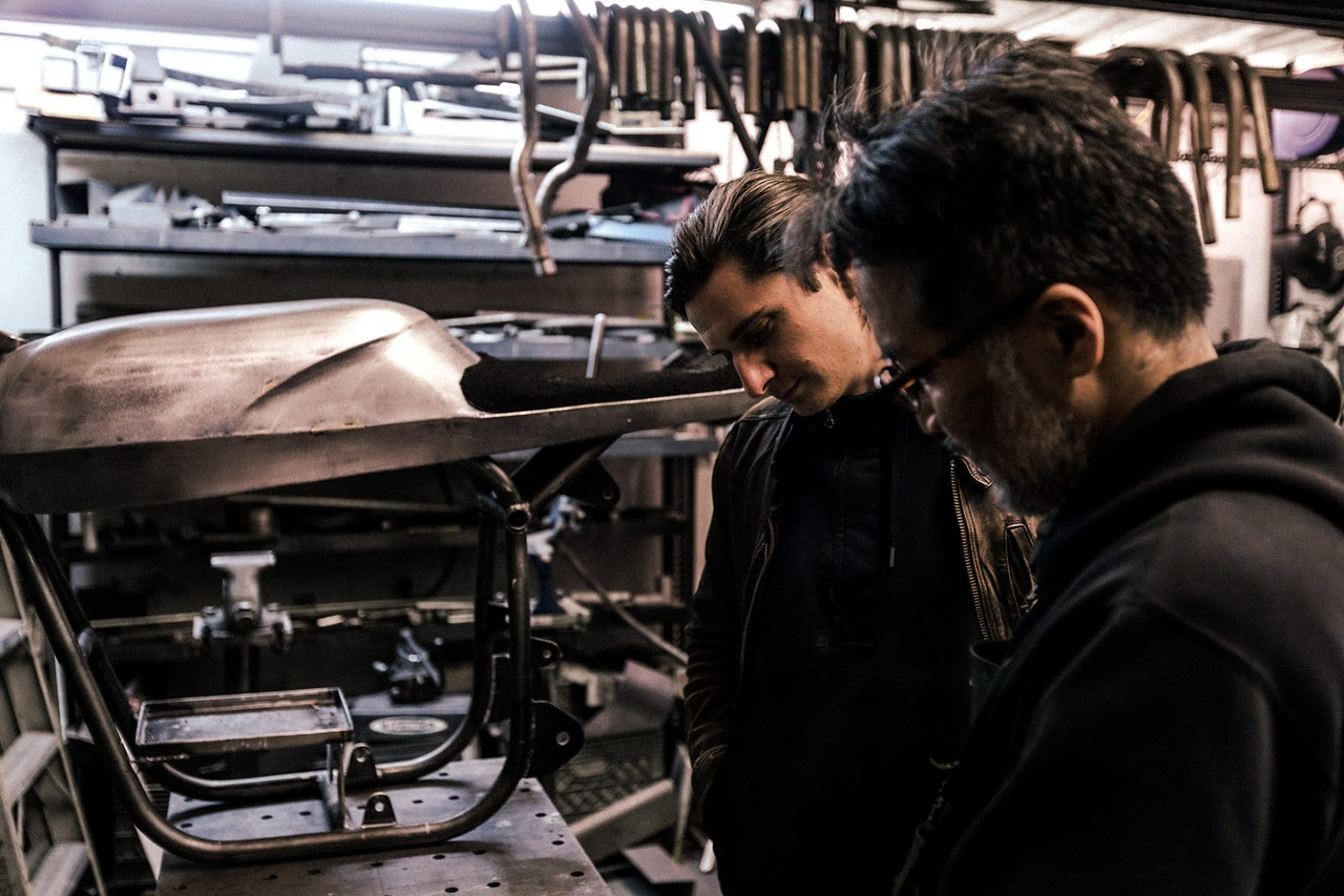
The first prototype build begins
Hand-shaped steel, hand-welded frames. The idea becomes an object. Early geometry, early proportions, early mistakes, all part of the process of taking shape.
-
 2018
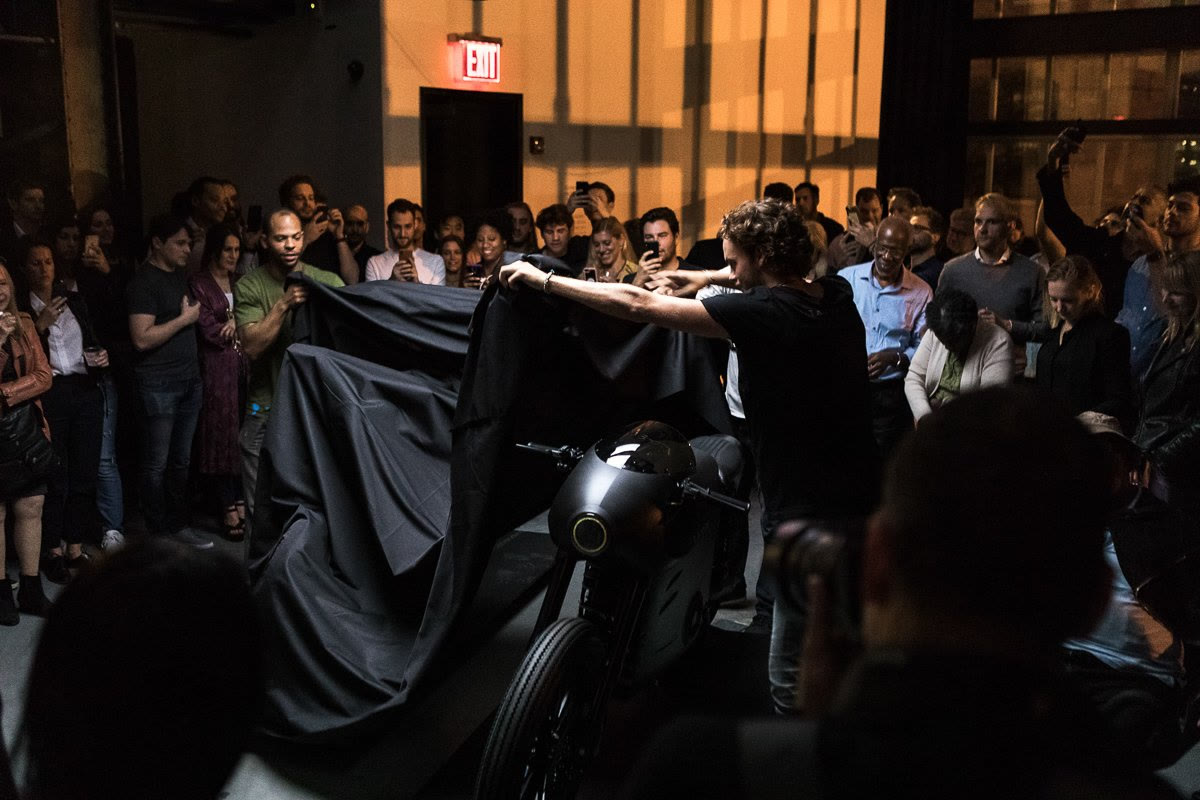
The unveil
Tarform is introduced to the world in New York. The ambition made public: to reconsider how motorcycles are designed and made.
-
 2019
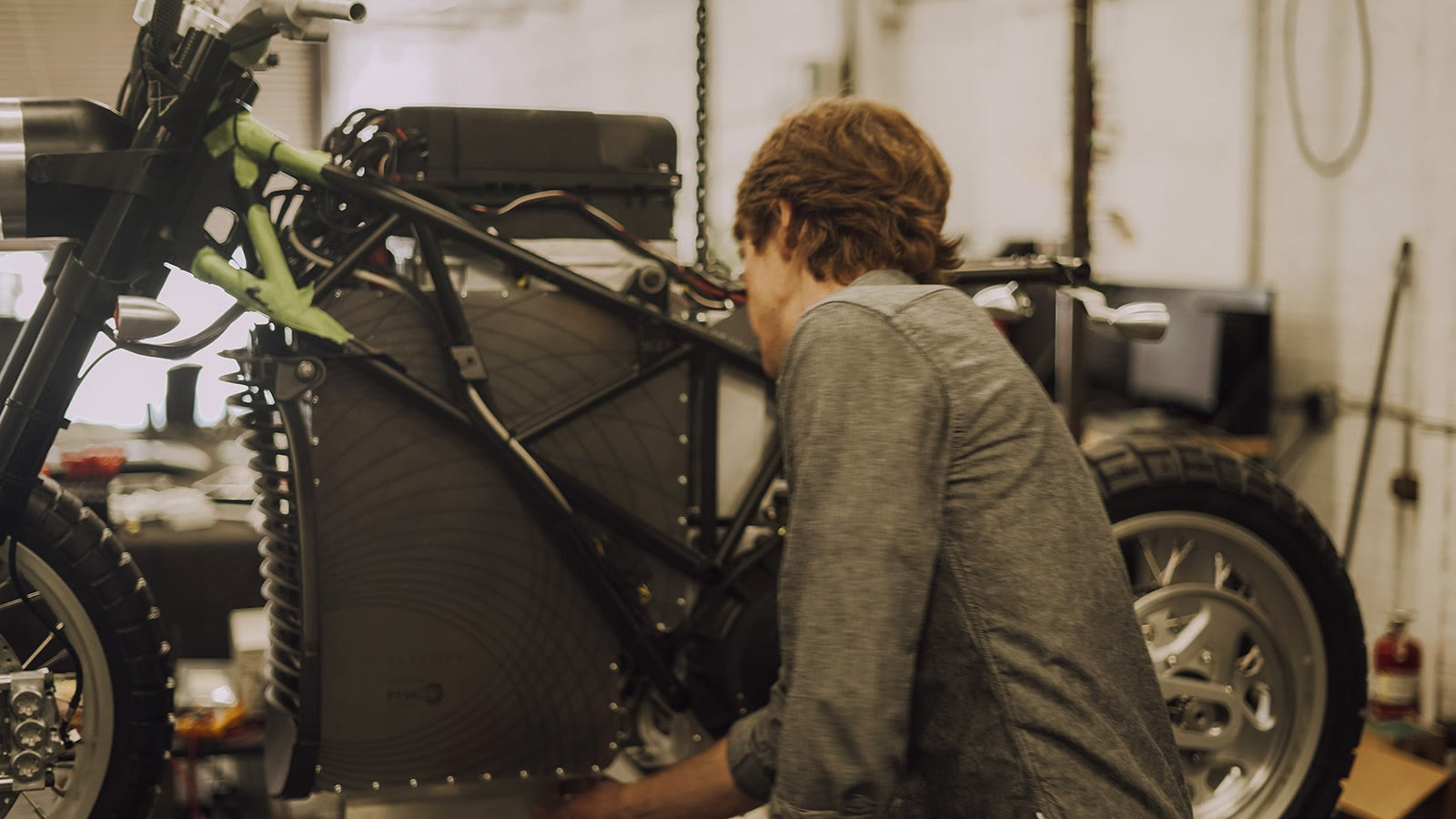
Starting from scratch
Engineering a prototype into a roadworthy motorcycle. Rebuilding systems, redrawing wiring, revisiting every assumption. The hard work of making an idea legal to ride.
-
 2022
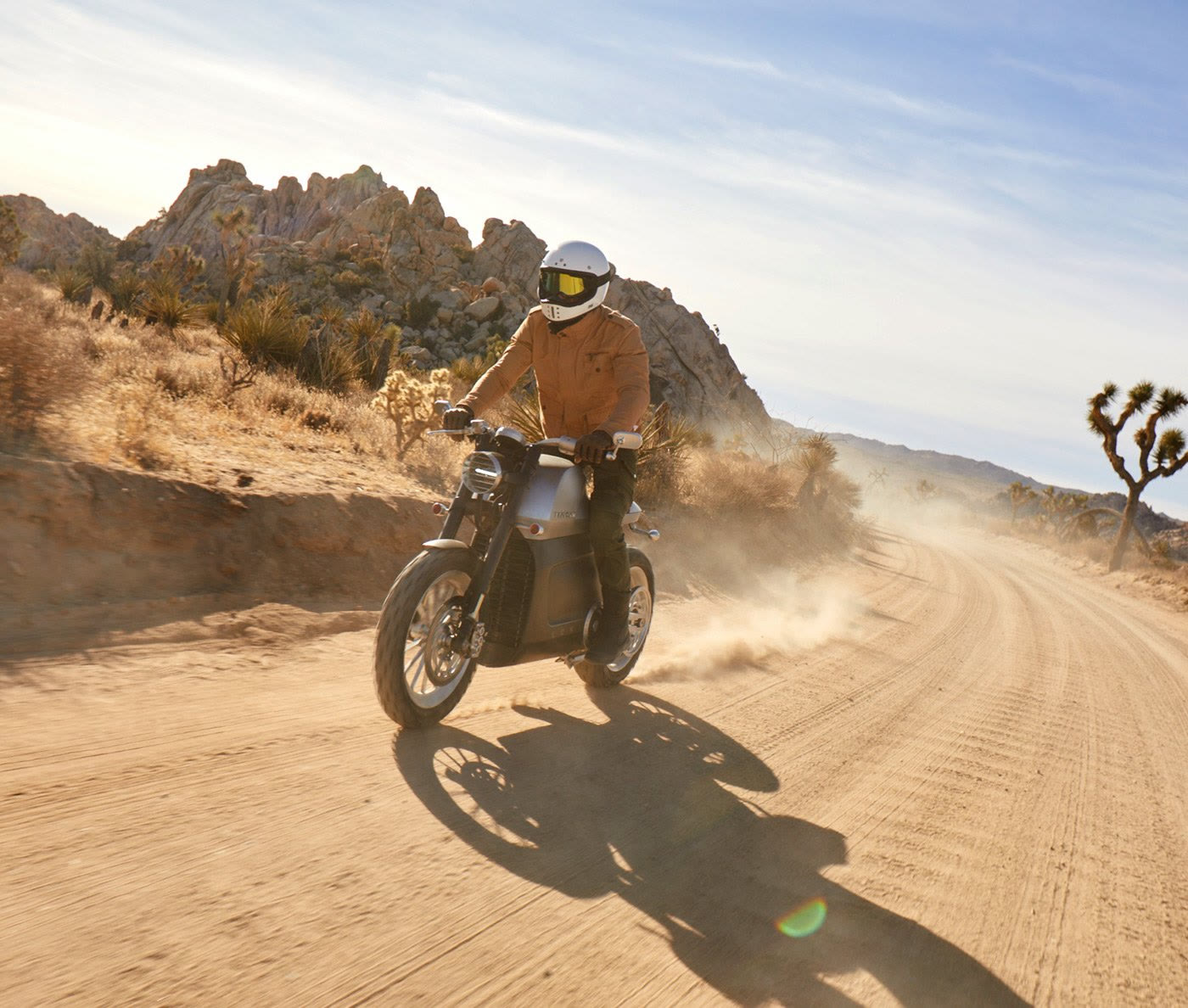
On the road
The first Luna motorcycles reach their owners. Years of development, testing, and regulatory work meet the road.
-
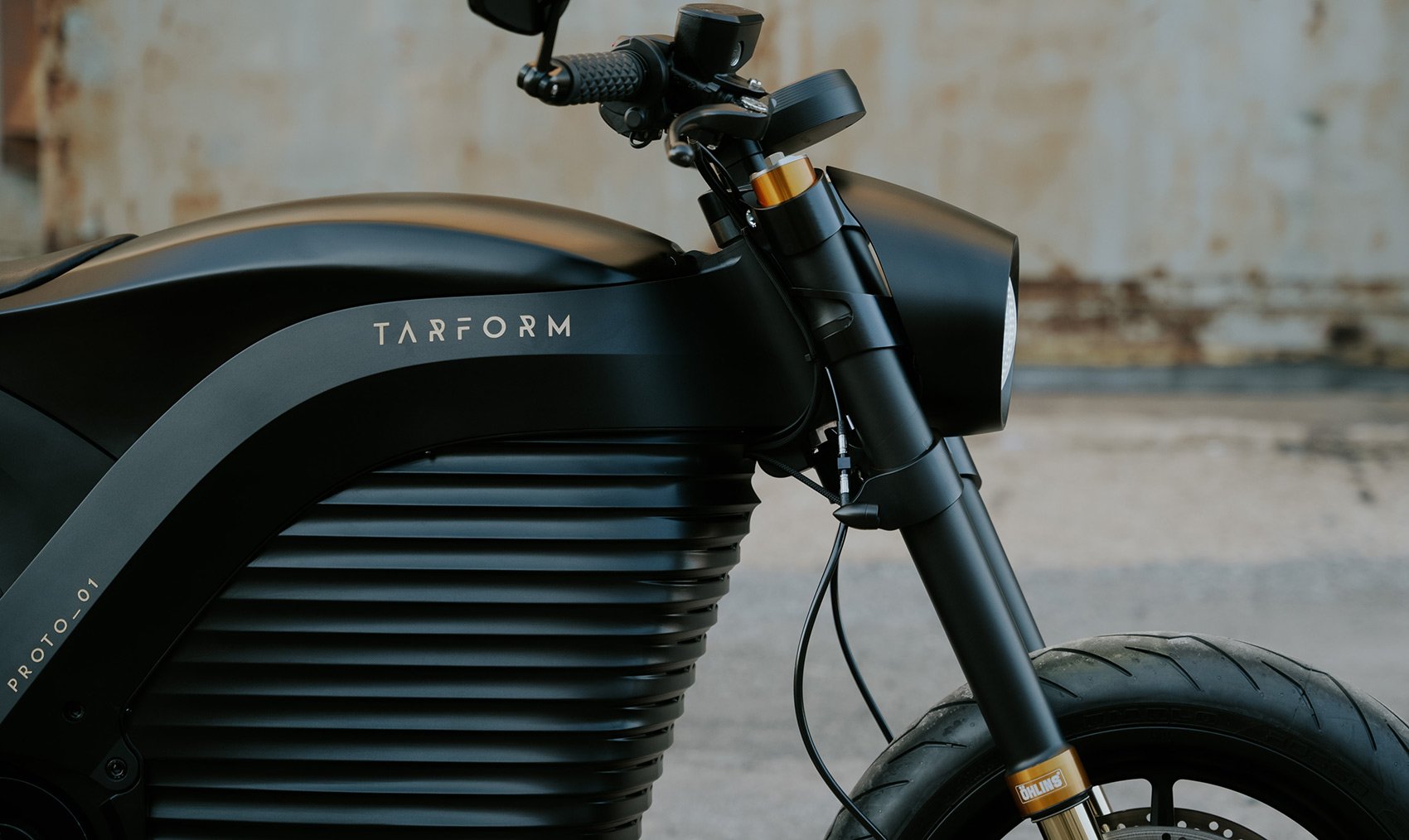 2024
Introducing Vera
A new expression of the Tarform philosophy, developed around agility, simplicity, and a more accessible riding experience.
-
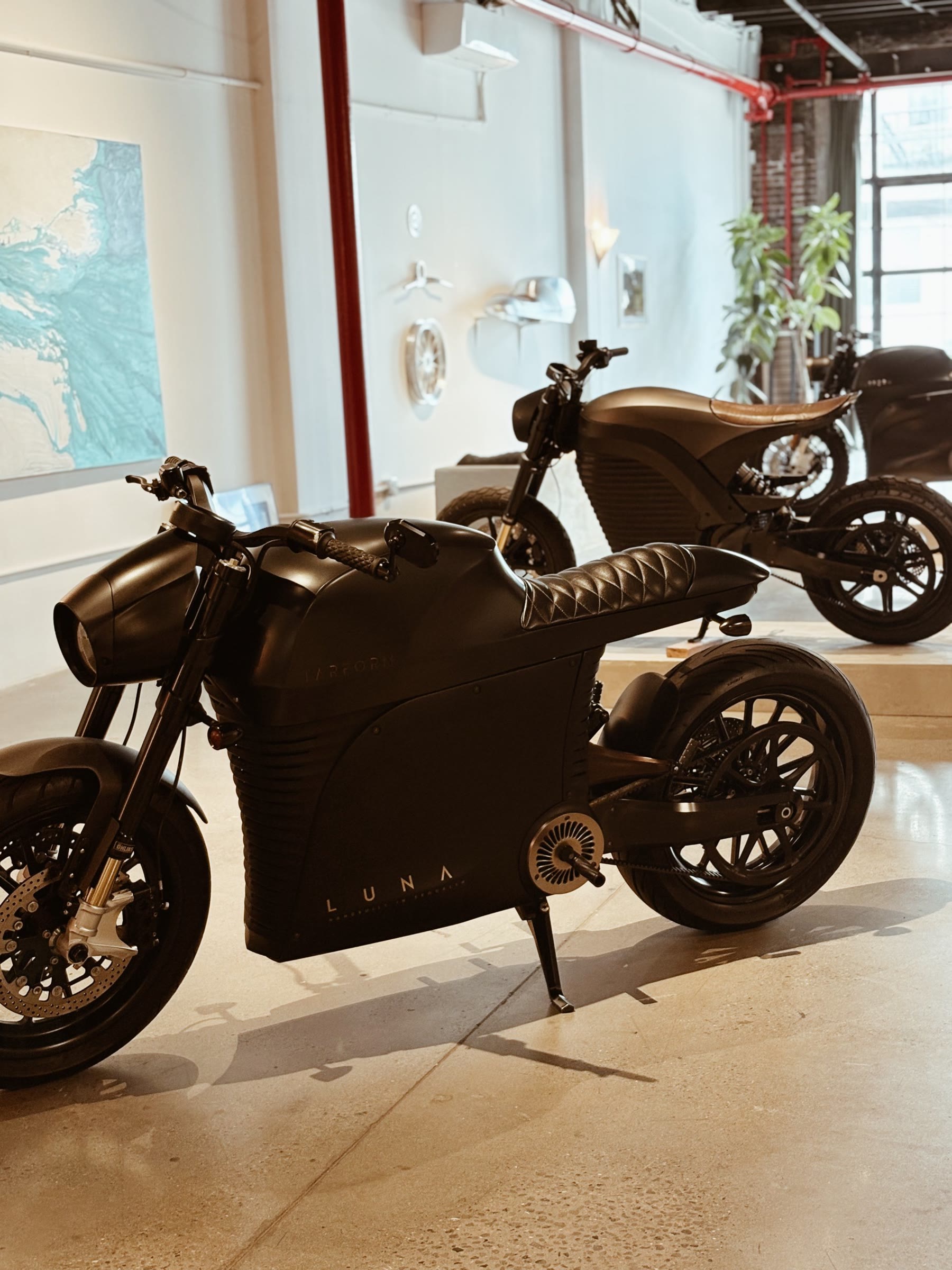 2026
The builds continue
Luna and Vera builds continue in our Red Hook studio. Small batches, one bike at a time, each with its own set of decisions to be made and remade.
- 2027
Luna closes
The final ten Luna motorcycles leave Red Hook. Some objects deserve their own moment in time, rather than being produced indefinitely. Vera continues, and a new machine is already taking shape.
Made with care.
There is something deeply satisfying about a well-made object.
The weight of a material. The way two surfaces meet. The subtle curve of a piece of metal shaped by hand.
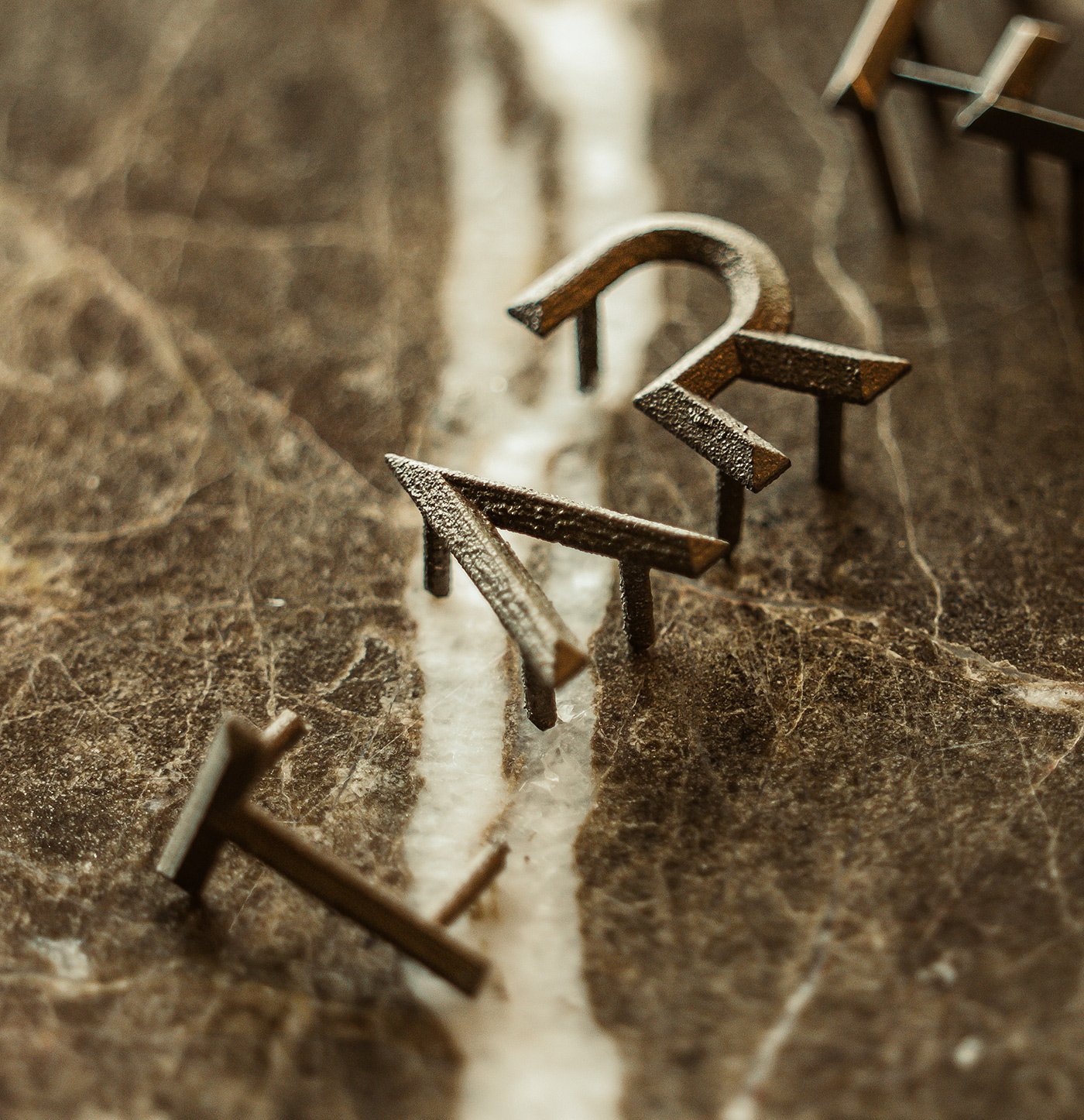
At our Brooklyn workshop, traditional craftsmanship meets contemporary manufacturing. We shape aluminum by hand, machine components with precision, and explore new materials for their properties, character, and relationship with the natural world.
We don’t believe one method is inherently superior to another. Some things are best made by hand. Others benefit from the precision of a machine. The challenge is knowing the difference.
We don’t design around annual product cycles or the pursuit of more features. We ask what genuinely improves the experience, and what can be left out.
Built to remain.
What can last should last. What can change should be able to change.
A classic motorcycle can be maintained, repaired, restored, and ridden for generations. We believe electric motorcycles should aspire to the same.
Much of modern technology is built around increasingly integrated systems. While this can offer advantages, it can also make individual components difficult to repair or replace.
We believe there’s another way. At Tarform, we approach the motorcycle as a collection of systems designed to work together without becoming unnecessarily dependent on one another.
The chassis is designed as an enduring foundation. The battery is a separate assembly. Electronic systems are developed with serviceability and adaptability in mind.
Because batteries will improve. Electronics will evolve. Parts will eventually need replacing. But the motorcycle itself should remain.
We cannot know what technology will look like twenty years from now. We can choose how we design for that uncertainty today.
Technology should serve the machine. Not determine its lifespan.
Explore Ownership & Care